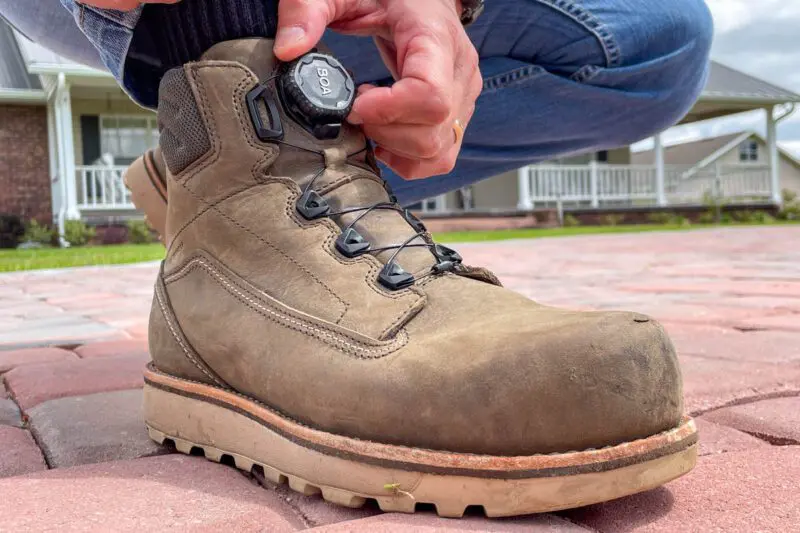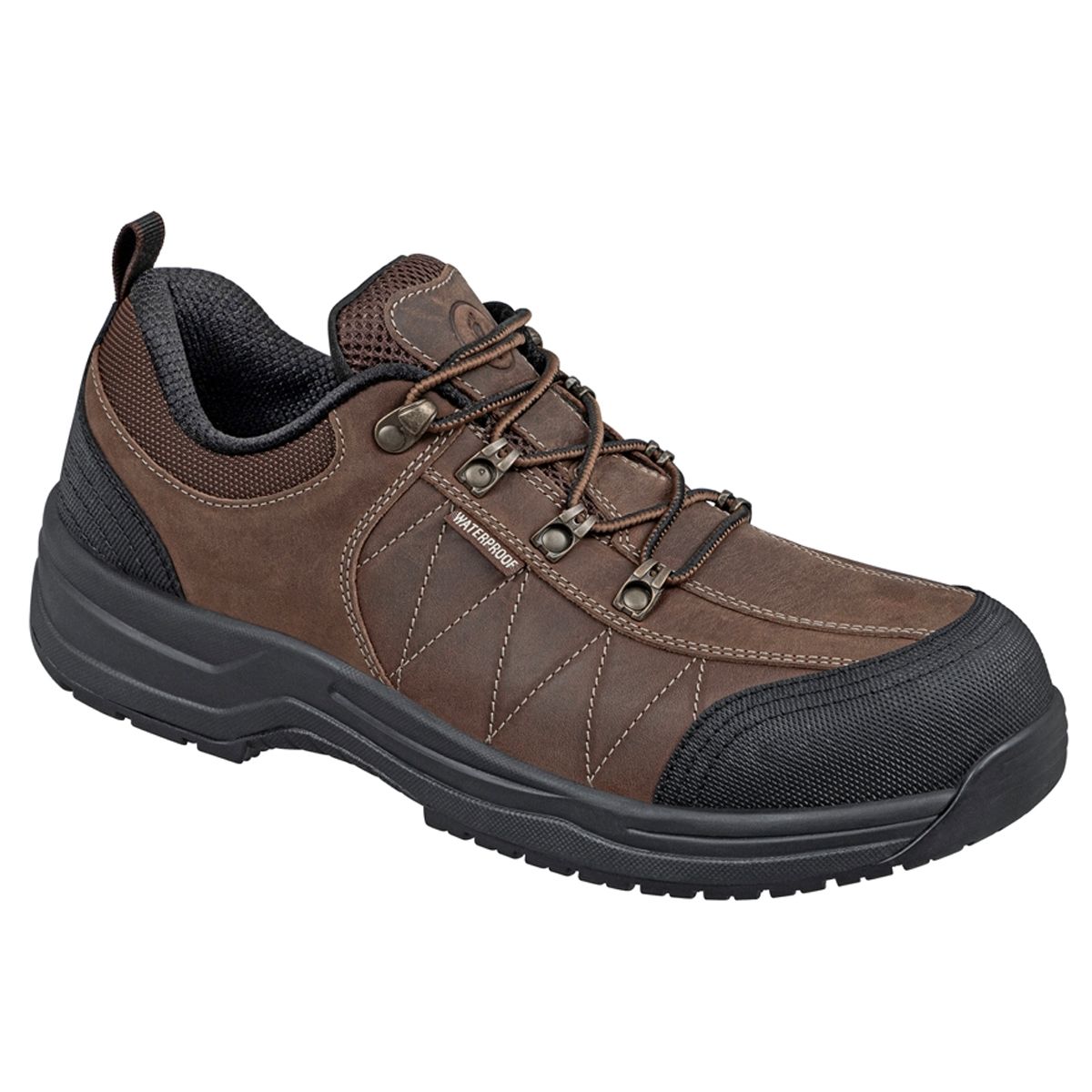
Orthopedic work shoes are specially designed footwear that provides support, cushioning, and stability for individuals who spend long hours on their feet or who have foot-related conditions. These shoes are often recommended for people who work in physically demanding jobs, such as nurses, doctors, factory workers, and retail employees.
Orthopedic work shoes can help to reduce foot pain, fatigue, and injuries by providing additional arch support, heel cushioning, and shock absorption. They can also help to improve posture and balance, and reduce the risk of developing foot problems such as plantar fasciitis, heel spurs, and bunions. In addition, orthopedic work shoes can help to improve circulation and reduce swelling in the feet and legs.
There are a variety of different types of orthopedic work shoes available, so it is important to choose a pair that is right for your individual needs. When choosing orthopedic work shoes, it is important to consider the following factors:
- The type of work you do
- The amount of time you spend on your feet
- Any foot problems you have
- Your personal preferences
Once you have considered these factors, you can start shopping for orthopedic work shoes. Be sure to try on several different pairs to find the ones that fit you best and provide the support you need.
1. Support
The support provided by orthopedic work shoes is essential for maintaining good foot health and preventing injuries. The additional arch support helps to keep the foot in a neutral position, which reduces stress on the ligaments and tendons in the foot and ankle. This can help to prevent the development of foot problems such as plantar fasciitis and heel spurs. The heel cushioning in orthopedic work shoes helps to absorb shock and reduce impact on the feet, which can help to reduce foot pain and fatigue. This is especially important for people who spend long hours on their feet or who work in physically demanding jobs.
In addition to preventing foot problems, orthopedic work shoes can also help to improve posture and balance. The additional support provided by these shoes helps to keep the body in a more upright position, which can reduce strain on the back and neck. This can be beneficial for people who have jobs that require them to stand or walk for long periods of time.
Overall, the support provided by orthopedic work shoes is essential for maintaining good foot health and preventing injuries. These shoes can help to reduce foot pain and fatigue, improve posture and balance, and prevent the development of foot problems such as plantar fasciitis, heel spurs, and bunions.
2. Cushioning
The cushioning in orthopedic work shoes is an essential component of their ability to provide support and comfort. It helps to absorb shock and reduce impact on the feet, which can help to reduce foot pain and fatigue. This is especially important for people who spend long hours on their feet or who work in physically demanding jobs.
The cushioning in orthopedic work shoes is typically made of a soft, shock-absorbing material, such as foam or gel. This material helps to distribute weight evenly across the foot and reduce pressure on the heels and balls of the feet. It also helps to absorb shock and vibration, which can help to reduce foot pain and fatigue.
In addition to providing support and comfort, the cushioning in orthopedic work shoes can also help to improve posture and balance. By reducing foot pain and fatigue, the cushioning can help people to stand and walk more comfortably, which can lead to better posture and balance. This is especially important for people who work in jobs that require them to stand or walk for long periods of time.
Overall, the cushioning in orthopedic work shoes is an essential component of their ability to provide support, comfort, and protection. It helps to reduce foot pain and fatigue, improve posture and balance, and prevent injuries.
3. Stability
Stability is an essential component of orthopedic work shoes. It helps to prevent the feet from rolling inward or outward, which can reduce the risk of ankle sprains and other injuries. This is especially important for people who work in physically demanding jobs or who spend long hours on their feet.
Orthopedic work shoes provide stability through a combination of features, including:
- A wide base: Orthopedic work shoes typically have a wider base than other types of shoes, which helps to provide stability and prevent the feet from rolling inward or outward.
- A firm heel counter: The heel counter is the part of the shoe that supports the heel. A firm heel counter helps to keep the foot in a neutral position and prevent the ankle from rolling inward or outward.
- A supportive midsole: The midsole is the part of the shoe that is between the outsole and the insole. A supportive midsole helps to absorb shock and provide stability.
The stability provided by orthopedic work shoes is essential for preventing ankle sprains and other injuries. Ankle sprains are one of the most common injuries among workers, and they can be very painful and debilitating. Orthopedic work shoes can help to reduce the risk of ankle sprains by providing support and stability to the feet.
In addition to preventing injuries, the stability provided by orthopedic work shoes can also help to improve posture and balance. Good posture and balance are important for overall health and well-being, and they can help to reduce the risk of falls and other injuries.
Overall, the stability provided by orthopedic work shoes is an essential component of their ability to protect the feet and ankles from injuries. Orthopedic work shoes can help to reduce the risk of ankle sprains and other injuries, improve posture and balance, and promote overall health and well-being.
4. Durability
The durability of orthopedic work shoes is a key factor that makes them a good investment for people who spend a lot of time on their feet. These shoes are made from high-quality materials that can withstand the rigors of everyday use, including long hours of standing, walking, and working on hard surfaces.
- High-quality materials: Orthopedic work shoes are typically made from durable materials such as leather, nylon, and rubber. These materials are resistant to wear and tear, and they can withstand the rigors of everyday use.
- Reinforced construction: Orthopedic work shoes are often reinforced with additional materials in areas that are prone to wear and tear, such as the toes and heels. This reinforcement helps to extend the life of the shoes and prevent them from breaking down.
- Good craftsmanship: Orthopedic work shoes are made with good craftsmanship, which means that they are well-constructed and durable. The seams are
The durability of orthopedic work shoes is important for several reasons. First, it helps to protect the feet from injuries. Durable shoes can help to prevent cuts, bruises, and other injuries that can occur when working on hard surfaces. Second, durable shoes can help to reduce foot pain and fatigue. Shoes that are well-cushioned and supportive can help to reduce the stress on the feet and ankles, which can lead to less pain and fatigue. Third, durable shoes can help to save money in the long run. Well-made shoes can last for several years, which can save you money on replacement costs.
Overall, the durability of orthopedic work shoes is a key factor that makes them a good investment for people who spend a lot of time on their feet. These shoes are made from high-quality materials, reinforced with additional materials in areas that are prone to wear and tear, and made with good craftsmanship. As a result, orthopedic work shoes are durable, comfortable, and can help to protect the feet from injuries.
5. Comfort
Orthopedic work shoes are designed to provide comfort and support for people who spend long hours on their feet. They are made with features that help to reduce foot pain, fatigue, and injuries. These features include:
- Cushioning: Orthopedic work shoes have cushioned insoles and midsoles that help to absorb shock and reduce impact on the feet. This cushioning can help to reduce foot pain and fatigue, especially for people who stand or walk for long periods of time.
- Support: Orthopedic work shoes provide support for the arches, heels, and ankles. This support can help to prevent foot pain, injuries, and fatigue. It can also help to improve posture and balance.
- Breathability: Orthopedic work shoes are often made with breathable materials that help to keep the feet cool and dry. This can help to prevent foot odor and discomfort.
- Fit: Orthopedic work shoes are available in a variety of widths and sizes to ensure a proper fit. A good fit is essential for comfort and support.
Overall, the comfort of orthopedic work shoes is an important factor to consider when choosing a pair of shoes for work. Comfortable shoes can help to reduce foot pain, fatigue, and injuries, and can also improve posture and balance.
6. Style
Orthopedic work shoes are no longer confined to clunky, unfashionable designs. Today’s orthopedic work shoes come in a variety of styles, from traditional lace-ups to athletic sneakers, so you can find a pair that fits your personal taste. This is important because it allows you to maintain a professional appearance while still enjoying the comfort and support of orthopedic shoes.
- Variety of styles: Orthopedic work shoes are available in a wide range of styles, including dress shoes, casual shoes, and athletic shoes. This means that you can find a pair of orthopedic work shoes that fits your personal style and the dress code of your workplace.
- Fashionable designs: Orthopedic work shoes are no longer the clunky, unattractive shoes of the past. Today’s orthopedic work shoes are designed to be stylish and fashionable, so you can wear them with confidence.
- Customizable options: Some orthopedic work shoes allow you to customize the style to your liking. For example, you may be able to choose the color of the leather, the type of closure, and the style of the toe.
The availability of stylish orthopedic work shoes is important because it allows you to maintain a professional appearance while still enjoying the comfort and support of orthopedic shoes. If you spend long hours on your feet, it is important to choose a pair of orthopedic work shoes that you feel good wearing.
FAQs about Orthopedic Work Shoes
Orthopedic work shoes are designed to provide support, cushioning, and stability for individuals who spend long hours on their feet or who have foot-related conditions. They can help to reduce foot pain, fatigue, and injuries, and can also improve posture and balance. However, there are some common questions that people have about orthopedic work shoes.
Question 1: Are orthopedic work shoes only for people with foot problems?
Answer: No, orthopedic work shoes can benefit anyone who spends long hours on their feet, even if they don’t have any foot problems. Orthopedic work shoes can help to prevent foot problems from developing, and they can also help to reduce foot pain and fatigue.
Question 2: Are orthopedic work shoes uncomfortable?
Answer: No, orthopedic work shoes are not uncomfortable. In fact, they are designed to be comfortable to wear, even for long periods of time. Orthopedic work shoes have cushioned insoles and midsoles that help to absorb shock and reduce impact on the feet. They also provide support for the arches, heels, and ankles, which can help to prevent foot pain and injuries.
Question 3: Are orthopedic work shoes expensive?
Answer: Orthopedic work shoes can be more expensive than other types of shoes, but they are worth the investment. Orthopedic work shoes are made from high-quality materials and are built to last. They can help to prevent foot problems and injuries, which can save you money in the long run.
Question 4: How do I choose the right pair of orthopedic work shoes?
Answer: When choosing a pair of orthopedic work shoes, it is important to consider the following factors:
- The type of work you do
- The amount of time you spend on your feet
- Any foot problems you have
- Your personal preferences
Once you have considered these factors, you can start shopping for orthopedic work shoes. Be sure to try on several different pairs to find the ones that fit you best and provide the support you need.
Question 5: Where can I buy orthopedic work shoes?
Answer: Orthopedic work shoes can be purchased at a variety of retail stores, including shoe stores, department stores, and online retailers. You can also find orthopedic work shoes at some medical supply stores.
Question 6: Are orthopedic work shoes covered by insurance?
Answer: In some cases, orthopedic work shoes may be covered by insurance. However, coverage varies depending on your insurance plan. You should contact your insurance provider to determine if orthopedic work shoes are covered under your plan.
Tips for Choosing Orthopedic Work Shoes
Choosing the right pair of orthopedic work shoes is essential for maintaining foot health and preventing injuries. Here are a few tips to help you choose the best pair of orthopedic work shoes for your needs:
Tip 1: Consider your job duties.The type of work you do will determine the type of orthopedic work shoes you need. If you work in a physically demanding job, you will need a pair of shoes that provides good support and cushioning. If you work in a more sedentary job, you may be able to get away with a pair of shoes that is less supportive.
Tip 2: Measure your feet.It is important to measure your feet before you start shopping for orthopedic work shoes. This will help you determine the correct size and width of shoe. You should measure your feet at the end of the day, when they are at their largest.
Tip 3: Try on several pairs of shoes.Once you have measured your feet, you should try on several pairs of orthopedic work shoes to find the ones that fit you best. Be sure to walk around in the shoes for a few minutes to make sure they are comfortable.
Tip 4: Look for shoes with good support.Orthopedic work shoes should provide good support for your feet, ankles, and arches. Look for shoes with a firm heel counter, a supportive midsole, and a wide base.
Tip 5: Choose shoes with cushioning.Cushioning in orthopedic work shoes helps to absorb shock and reduce impact on your feet. This can help to reduce foot pain and fatigue.
Tip 6: Make sure the shoes fit well.Orthopedic work shoes should fit snugly but not too tightly. There should be about a half-inch of space between your longest toe and the end of the shoe.
Tip 7: Break in your shoes gradually.New orthopedic work shoes can take some time to break in. Start by wearing them for a few hours each day and gradually increase the amount of time you wear them as they become more comfortable.
Tip 8: Replace your shoes regularly.Orthopedic work shoes should be replaced every six to twelve months, depending on how often you wear them. If you notice any signs of wear and tear, such as cracks in the leather or worn-out soles, it is time to replace your shoes.
By following these tips, you can choose the best pair of orthopedic work shoes for your needs and help to keep your feet healthy and comfortable.
Conclusion
Orthopedic work shoes are essential for individuals who spend long hours on their feet or who have foot-related conditions. These shoes are designed to provide support, cushioning, and stability, and can help to reduce foot pain, fatigue, and injuries. They are also available in a variety of styles, so you can find a pair that fits your personal taste.
When choosing a pair of orthopedic work shoes, it is important to consider the following factors: the type of work you do, the amount of time you spend on your feet, any foot problems you have, and your personal preferences. It is also important to measure your feet and try on several pairs of shoes to find the ones that fit you best. Once you have found the right pair of orthopedic work shoes, be sure to break them in gradually and replace them regularly.
By following these tips, you can choose the best pair of orthopedic work shoes for your needs and help to keep your feet healthy and comfortable.